
Reviewed · WHIRLING DERVISH CEREMONIES
Goreme: Whirling Dervishes Show in Historical Cave
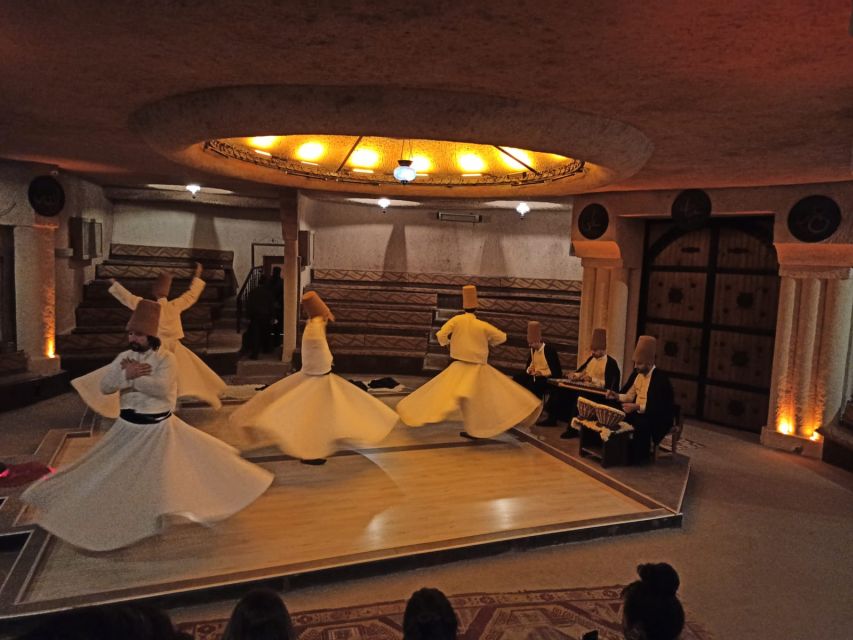
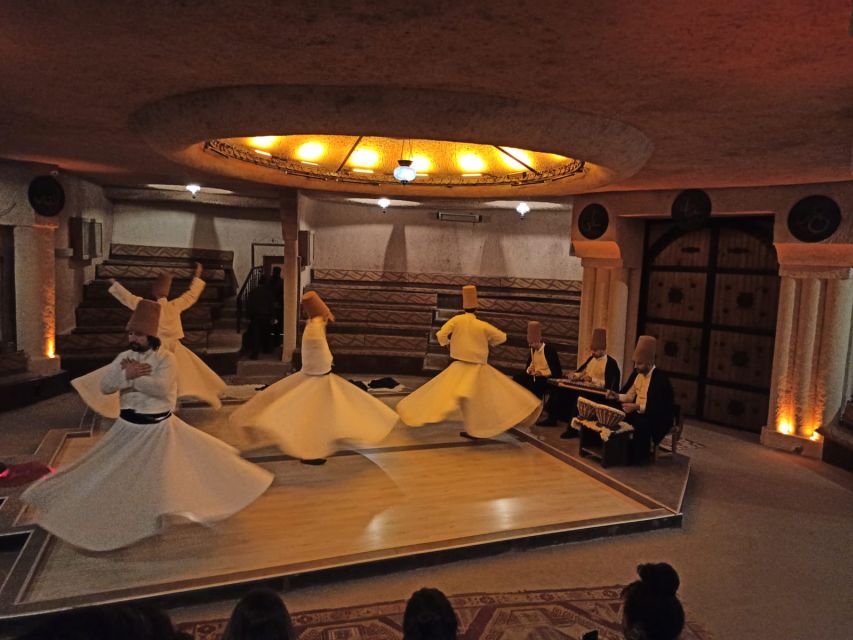
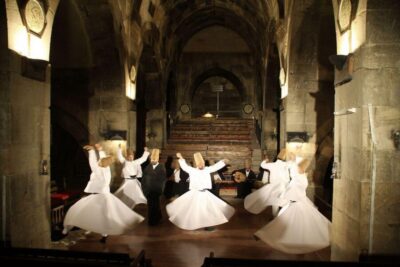
A whirling dervish ceremony performed in a historical cave outside Goreme is one of those experiences that feels both simple and oddly powerful. You do not come for a loud show. You come for the steady turning, the chanting, and the sense that the room itself is part of the ritual.
I love how the ceremony stays close to what it is: a spiritual ritual with deep music and structured movements. I also like that the guide explanations can really sharpen your understanding, with names like Hami showing up in the feedback for clear, practical context. One consideration: if you expect constant entertainment twists, the pacing can feel repetitive, and the experience depends on everyone respecting the quiet rules inside.
Key highlights I’d mark on your plan
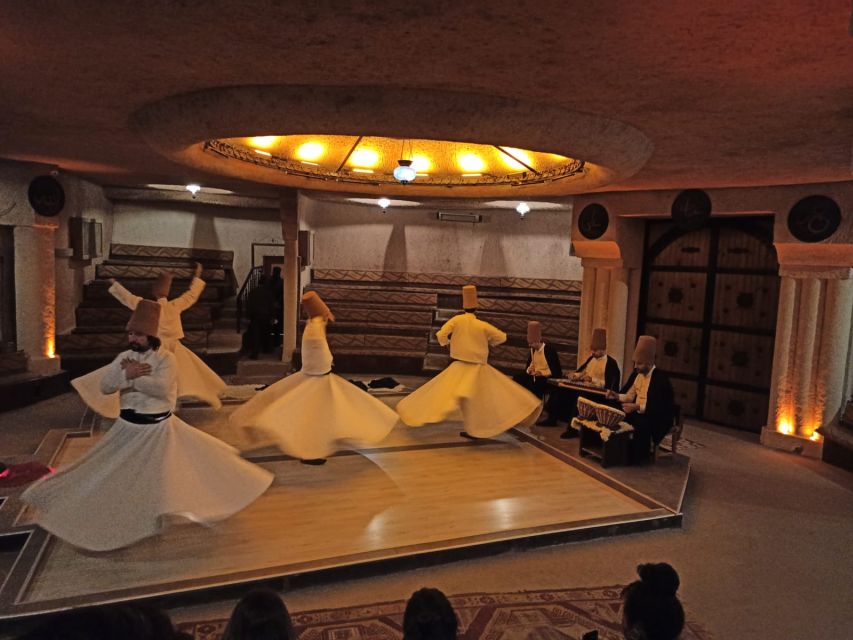
- Historical cave setting that changes how the music and chanting sound
- Sema ceremony format (not a dinner show style performance)
- English guiding, with standout commentary from guides like Hami
- Dervish drink (sherbat) served after the ceremony
- Taxis can be tricky after, so asking for pickup help at the venue matters
Why this Goreme whirling show is more than a performance
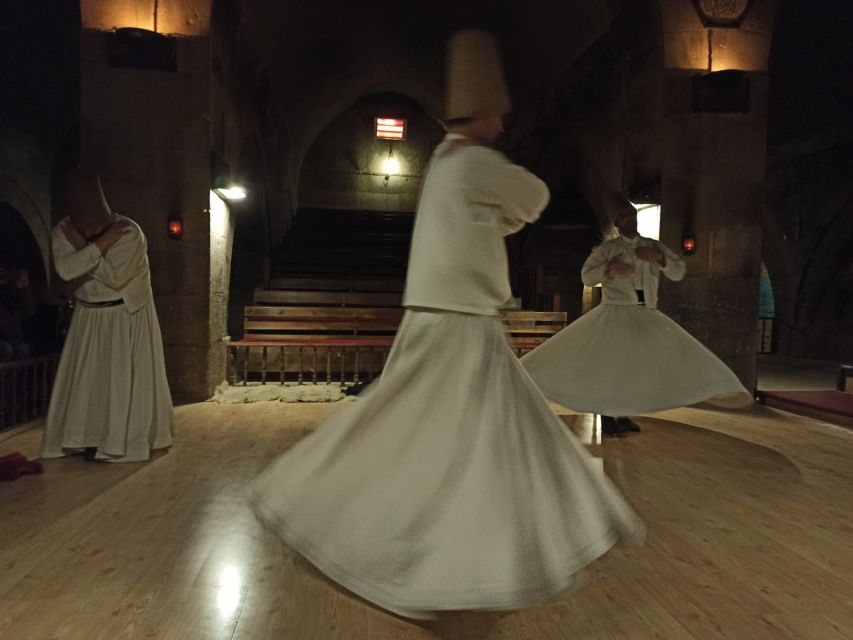
Cappadocia has plenty of staged entertainment, but this one is different in a way you’ll feel right away. You are not watching people put on a show for the loudest reaction. You are watching a religious ceremony, with music, chanting, and the sema turning itself as the focus.
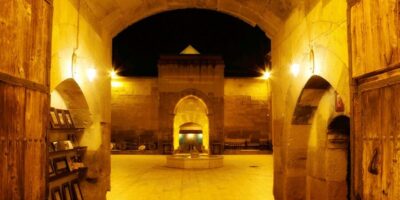
The cave venue is a big part of that. Stone changes sound. It also changes your own posture. I find you automatically slow down, stop fidgeting, and listen because the room encourages it. If you go in expecting “a thing to do,” you may rush. If you go in expecting to witness a ritual, it lands.
More Whirling Dervish ceremonies in Goreme:
- Cappadocia Whirling Dervishes ceremony
★ 5.0 · 276 reviews - Göreme: The Original Dervish Ritual in Konya or Cappadocia
★ 4.5 · 54 reviews - Cappadocia Dervishes Ceremony
★ 4.5 · 52 reviews
Timing that actually helps: arriving near 17:45 for an 18:00 start
The ceremony starts at 18:00 and finishes around 19:00. The full experience runs about 1.5 to 2 hours, which usually includes the walk-in, seating time, the ceremony itself, and what happens at the end.
Here is the practical move: plan to arrive 17:45 to 17:50. That gives you time to settle, use the restroom if needed, and get oriented before the chanting begins. Starting late usually means you miss the pre-ceremony explanation and it becomes harder to follow what each part means.
Also, if you hate waiting, this is one of the easier plans. You are not spending half a day traveling and hovering. It’s a tight evening event built for people who want culture without turning the night into logistics.
Cave venue location and how to get there from Goreme
If you are staying in Goreme town, hotel pickup and drop-off are included. You will meet at a designated meeting point, then the team guides you to the ceremony site and brings you back.
If you are using the option without transfer, the venue is close. It is about a 5-minute drive from Goreme, roughly 4 km. There is free parking, and you can reach the site by bus, taxi, or car.
Practical tip from the reality of the evening: taxis can be hard to find right after. When you get back to the venue area, ask the team to help call a taxi. Some operators can arrange it for you, which saves you from wandering outside while everyone else is also searching for a ride.
What actually happens before the sema begins
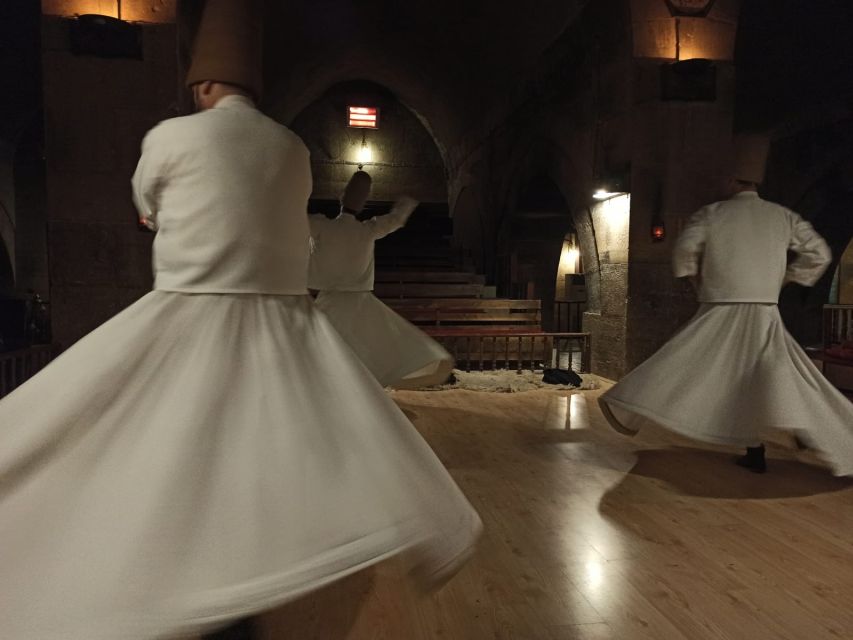
Before the dancers start, you should expect a short orientation. In a good version of this experience, you receive simple materials to help you understand the purpose of the sema before the ceremony starts. That matters more than it sounds.
If you know the meaning of the movements, the turning stops being just visually hypnotic and becomes structured. You notice the pace. You notice the progression. You notice how the music and chanting line up with the ritual steps.
Even if you do not read everything in your packet, you’ll still benefit from the guide’s framing. The guide role here is not only logistics. It’s translation, in both language and mindset.
More history-led days in Goreme:
- Historical Pottery Making in Cappadocia
★ 5.0 · 261 reviews - Full Day Green Tour Natural History of Cappadocia Tour
★ 5.0 · 65 reviews - Historical Pottery Making in Cappadocia
★ 4.0 · 11 reviews - Full-Day Private Historical Guided Tour of Cappadocia
★ 5.0 · 8 reviews
Inside the ceremony: how the whirling works in real time
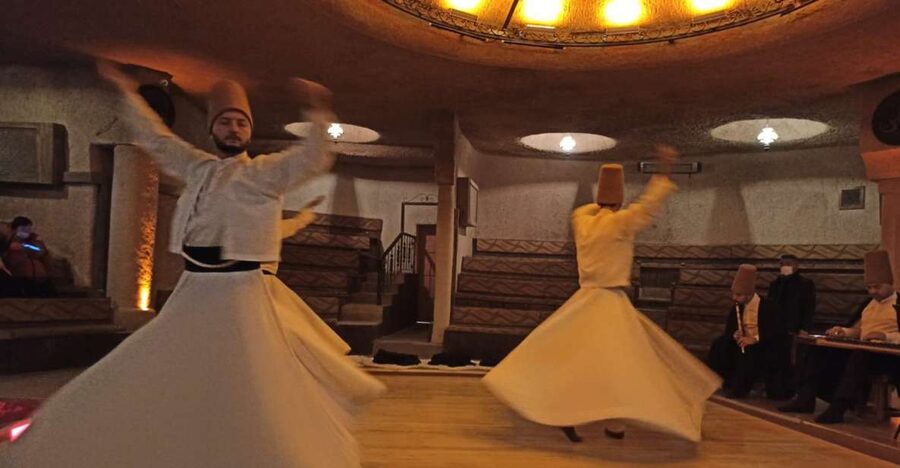
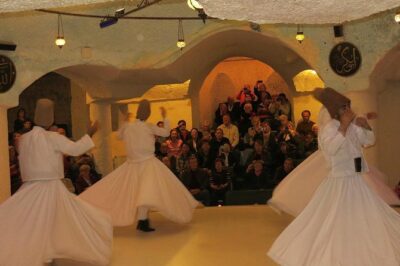
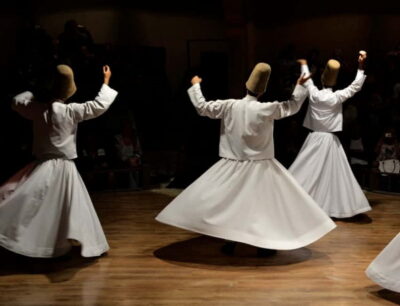
The core of the experience is the whirling dervish ceremony, known as the sema. The dancers wear traditional outfits, and the ceremony is built around repeated, intentional sequences rather than surprise “acts.”
That repetition is not a mistake. It’s part of the meditation idea behind the ritual. If you go in wanting a new visual every 10 seconds, you might feel impatient. If you go in ready to let the ritual unfold slowly, you’ll probably find it relaxing and even moving.
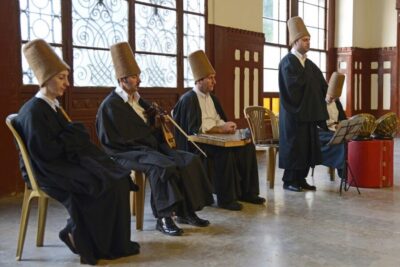
The music and chanting are a major reason people leave saying they’d do it again. Expect a mix of spiritual music and steady rhythm that stays consistent through the ceremony. That consistency is what lets you settle into the experience instead of constantly scanning for what happens next.
One more practical note: the ceremony is meant to be quiet. Phones ringing, talking, and general fidgeting can pull you out. Follow the rules you are given at the start. Your quiet attention helps everyone.
The spiritual context: Rumi, meditation, and why the Mevlevi order formalized it
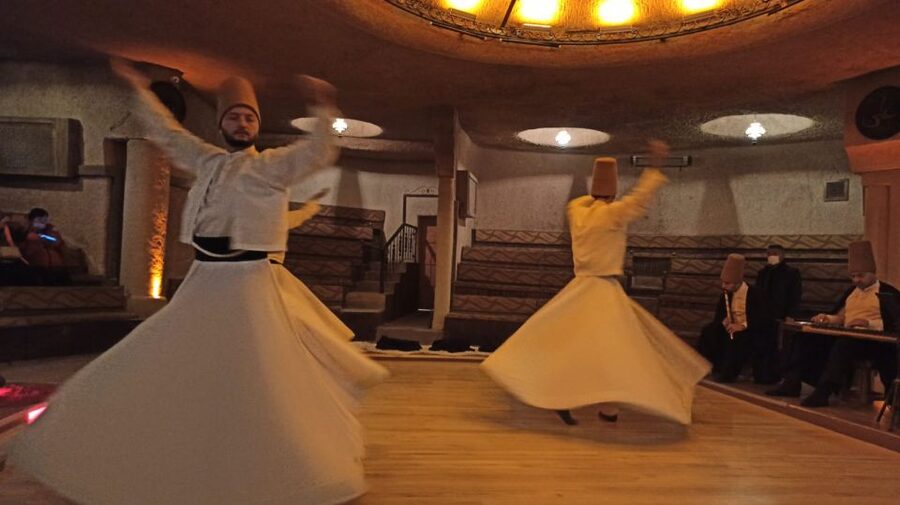
If you want the quick background that actually helps while you watch, focus on this chain of ideas.
The whirling dervish sema is tied to Jalaluddin Rumi in the 13th century. Rumi was a Sufi mystic and poet who lived in Konya, at the time the capital of the Seljuk Empire. A key idea attributed to him is that there are many roads that lead to God, and he chose dance and music. The point is not entertainment. The point is reaching a state of spiritual focus through turning and sound.
Later, other Sufi traditions spread the practice across the Ottoman Empire. The most well-known order tied to this ritual became the Mevlevi order, and participants in the dance were called semazen. By the 15th century, the order established rules for the ritual, which helps explain why this ceremony feels structured and consistent rather than improvised.
As you watch, you do not need to memorize every detail. But when the guide gives you the meaning of the movements beforehand, the ritual starts to feel logical. You stop asking why the same turning pattern repeats and start understanding that the repetition is the method.
The guide experience: what makes Hami-style commentary matter
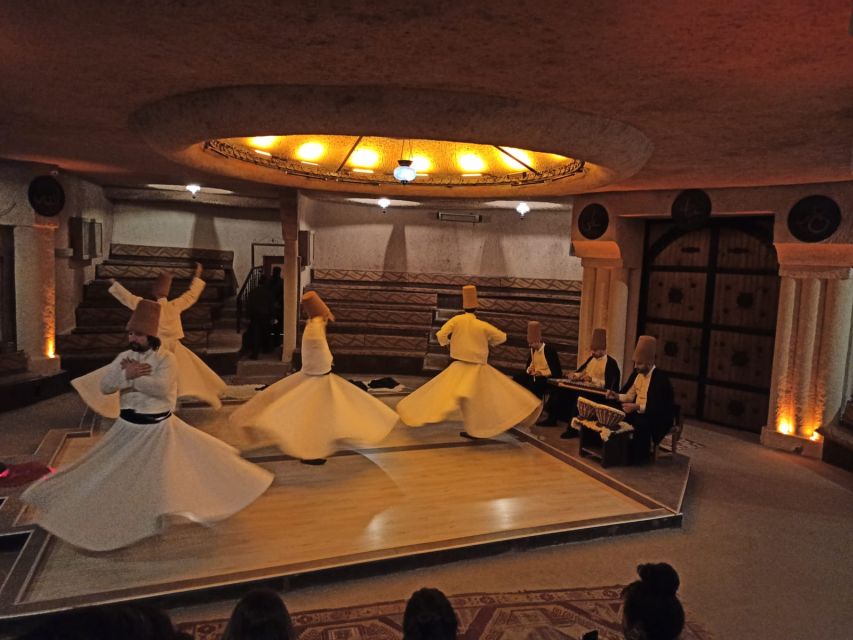
A strong live guide can change how much you get from the evening. Many visitors talk about guides like Hami because he tends to explain history and the cultural significance in plain terms.
Here is what I’d look for when a guide is doing their job well:
You understand what you’re seeing before it happens.
You understand why the movements matter, not just what they look like.
You get a small amount of context you can carry home.
Also, a good guide makes the evening smoother. You get clear timing, help getting to the venue, and a plan to return without stress. That practical support is part of the value, especially on a night when taxis can be annoying.
After the ceremony: sherbat and getting back to your hotel
Once the whirling ends, the experience does not just abruptly cut off. You will have a dervish drink after the ceremony and then return to your hotel.
In many cases, people describe this drink as sherbat, a traditional sweet beverage served after. It’s a small moment, but it helps you land the experience. It also gives you a chance to talk quietly, reset your brain, and avoid rushing straight back into city noise.
On the return side, you have two different situations depending on your starting option. With pickup included, you’ll be brought back as part of the program. If you arrive by taxi or on your own, ask for help calling one near the venue after the show.
Who should book this, and who might want to skip it
This is a strong fit if you want:
A cultural experience in Cappadocia that feels respectful and not watered down into a themed party.
A chance to learn the story behind the sema while you watch it.
A calm evening plan that does not swallow your whole day.
You might want to think twice if:
You only want high-energy entertainment.
You hate ceremonies that require patience and quiet attention.
You plan to treat it like a casual photo stop rather than a ritual.
If you’re traveling with kids, it depends on the child. Some children handle quiet ceremonies well. Others will get restless. The turning itself can look fascinating, but the room’s quiet expectation is real.
Value check: is $24 per person a fair deal?
At $24 per person, this can be good value because you are not just buying an entrance ticket. You’re paying for:
A guided evening with live English commentary
The dervish show ticket
Hotel pickup and drop-off when you are staying in Goreme town
A structured experience that lasts about 1.5 to 2 hours
Even if the ceremony feels simple on paper, the cave setting plus a proper guide explanation adds up. If you like cultural depth and you prefer respectful, non-dinner-show formats, this price feels fair for what you get.
Where value drops a bit is if you live far from Goreme and must handle your own logistics. The no-transfer option helps, but you still need to plan your ride back carefully.
Should you book this whirling dervish cave ceremony?
If you like the idea of seeing the sema as a ritual, not just a performance, I’d book it. This experience has a clear structure, a cave setting that makes the sound feel intimate, and a guide component that can turn vague curiosity into real understanding.
My only caution is expectation management. Go ready for a meditative pace and follow the quiet rules during the ceremony. If you want constant surprises, you may feel restless.
FAQ
FAQ
What time does the whirling dervish ceremony start and finish?
The ceremony starts at 18:00 and finishes at 19:00, with the full activity taking about 1.5 to 2 hours.
How long is the whole experience?
Expect about 1.5 to 2 hours total, depending on your starting option and timing.
Is hotel pickup and drop-off included?
If you are staying in Goreme town, hotel pickup and drop-off are included. If you choose the option without transfer, it is only a short drive away.
Where is the ceremony located if there is no transfer included?
The ceremony place is about a 5 minute drive from Goreme, around 4 km away. You can reach it by bus, taxi, or car.
Is the dervish show ticket included?
Yes, the included price covers the dervish show ticket.
Do I need to wait in a long ticket line?
This option includes skip-the-ticket-line access.
What language is the tour guide?
The live tour guide is available in English.
Is there parking near the ceremony site?
Yes, there is free parking.
Can I cancel and get a full refund?
You can cancel up to 24 hours in advance for a full refund.
Recently reviewed around Goreme
- Cappadocia Pottery Workshop Class★ 5.0 · 12 reviews
- Hot air Balloon Cappadocia Tour ( Goreme Valley )★ 3.5 · 5 reviews
- Hot Air Balloons in Soganli Valley Cappadocia Sightseeing Tour★ 5.0 · 6 reviews
- Private kaymakli Underground City, Cavusin and Pottery Tour★ 5.0 · 5 reviews
- Hot Air Balloon Flight in Cappadocia with Champagne★ 4.0 · 19 reviews
- Hot Air Balloon Tour In Cappadocia★ 5.0 · 8 reviews
- Hot Air Balloon Tour in Cappadocia★ 5.0 · 5 reviews
- Cappadocia:Sunrise Hoot Air Ballon Over Göreme Valley★ 5.0 · 12 reviews
Whirling Dervish Ceremonies, compared.
Whirling Dervishes Ceremony & Optional Transfer
Read our review →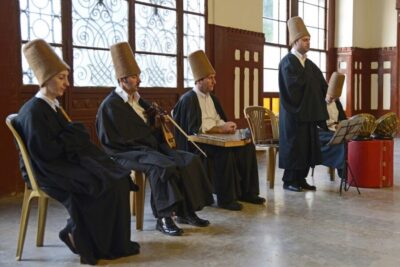
The Original Dervish Ritual in Konya or Cappadocia
Read our review →
Cappadocia Dervish Ritual with live music (With 2 options)
Read our review →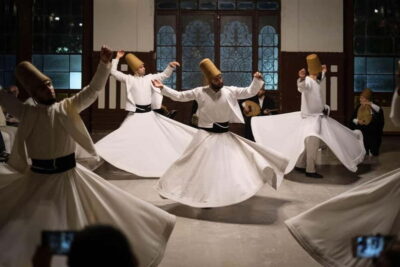
Browse the lists this tour appears in