
Reviewed · WORKSHOPS
Cappadocia Cooking Class
A Cappadocia cooking class works because it trades big sightseeing for real everyday life. You start with shopping in Urgup, then cook and eat in a local home setting around Goreme, usually with a friendly interpreter and lots of conversation.
What I like most is the practical hands-on approach, not just watching someone else work. The food also follows a believable menu range, from salads and grape leaves to stews and a Cappadocian dessert made with grape molasses and flour. One possible drawback is that the class format can vary, and on some nights you may find a few ingredients already partly prepared, so expect teamwork more than solo cooking every minute.
Key things to know before you go
- Two departure options: lunch at 10:00 AM or dinner at 4:00 PM, both about 4 hours
- Free pickup and drop-off in Goreme, Avanos, Uchisar, Ortahisar, Cavusin, Mustafapasa, Ayvali, Nevsehir, plus Urgup
- Small group limit of up to 6 travelers, which makes it feel personal
- Urbane market time in Urgup town before the cooking starts, so you learn what locals actually buy
- 3 courses included plus water, black tea, or coffee (alcohol and soda are extra)
- Local interpreter support in English so you can actually understand the food stories
Cappadocia Cooking Class in Goreme: Real Food Beats Performance Cooking
This class is interesting because it blends two things that usually do not mix well on a normal tour day: local shopping and home-style cooking. You will spend your time in neighborhoods around the Goreme area, not in a studio-like kitchen built for visitors.
I especially like that it is free with hotel pickup and drop-off. When the ride is handled, you can focus on the fun part, learning how Turkish dishes come together from start to plate.
One more thing to count on is that this is a home setup, even when it feels organized. That means the pace is human. It can include big laughs, kitchen talk, and plenty of moments where you are doing something, even if the cooking level is shared rather than strictly solo.
Lunch at 10 AM vs Dinner at 4 PM: Choose Your Pace
You get a clear choice: lunch at 10:00 AM or dinner at 4:00 PM. Both are listed as roughly 4 hours, and both follow the same structure: pickup, Urgup shopping, cooking with a local host, then eating what you made.
If you like the idea of escaping the mid-day heat with a planned indoor break, the dinner option can be a smart move. You also avoid the late-afternoon rush in town because you are on a set schedule that ends back at your hotel.
If you want a heavier meal earlier and keep your evening free for pottery shopping or a casual wander, lunch at 10:00 AM makes sense. Either way, you are not just paying for food. You are buying time with the host family rhythm.
More cooking classes in Goreme:
- Cooking Class at Exclusive Kings Valley
★ 5.0 · 54 reviews - Cappadocia Home Cooking Experience
★ 5.0 · 11 reviews - Cappadocia traditional cooking with Chef
★ 4.5 · 66 reviews
From Urgup Market to the Host House: What the 4 Hours Actually Look Like
After pickup from your hotel, the day starts with shopping in Urgup town. This is not a random detour. It is your shortcut to understanding the ingredients behind Cappadocian and Turkish home cooking, because you see what gets used and why.
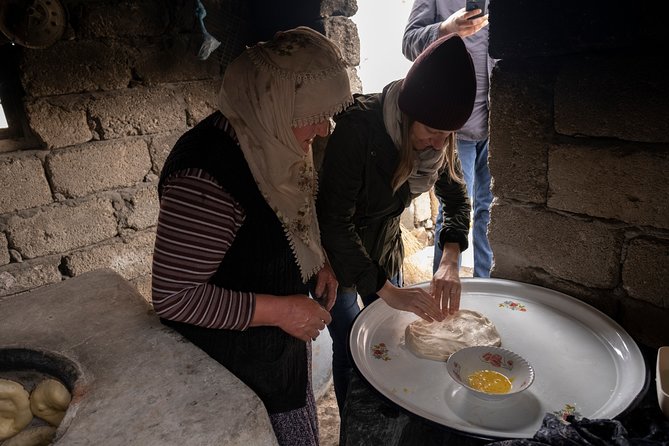
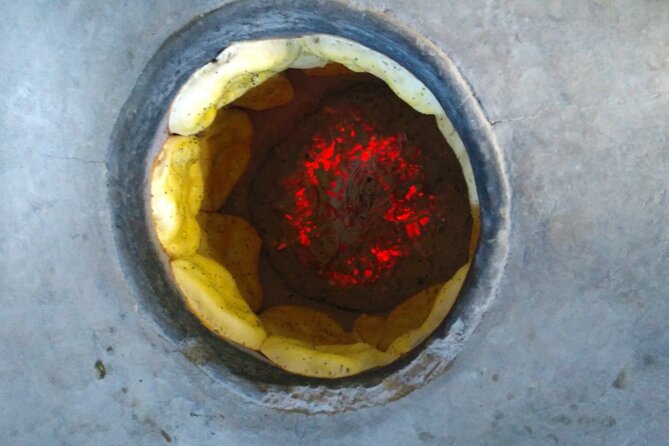
Next comes the host house cooking portion with a local cook. The setup is designed for participants, so you cut, mix, stuff, stir, and learn as you go. Several people highlight moments like putting bread in a tandoor oven, which is the kind of experience that turns a meal into a memory.
Then you eat the results as a full multi-course meal. Once you finish, you head back to your hotel and the experience ends, clean and simple.
Keep one practical thought in mind. Even with a small group, timing depends on how quickly the pickup route moves and how long the host wants to chat while you cook. Plan your next activity with some slack, especially if you are doing anything that requires exact timing later.
The Menu You’ll Cook: Salads, Grape Leaves, Stews, and a Grape Molasses Dessert
The class meals are built around familiar Turkish comfort food, plus a Cappadocia touch. You should expect a mix of starters, mains, and a sweet finish, with several dishes drawn from the sample menu.
Starters that set the tone
You may make seasonal salads, including versions with purslane. If you have never eaten purslane before, treat it like a chance to learn how locals use plants that grow well in the region.
Stuffed grape wine leaves are also on the menu. They are a classic, and the way they are seasoned and served is often what helps a home cook stand out.
More hands-on workshops in Goreme:
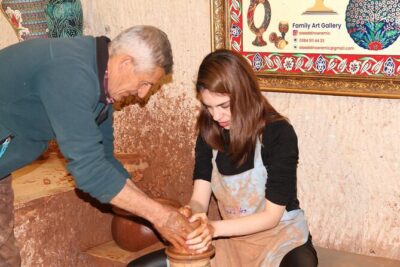
- Cappadocia Pottery Workshop Class
★ 5.0 · 191 reviews - Cappadocia: Turkish Mosaic Lamp Workshop in Göreme – All Included
★ 5.0 · 139 reviews - Sand-Brewed Turkish Coffee Workshop in Cappadocia
★ 5.0 · 64 reviews - Cappadocia Pottery Workshop Class
★ 5.0 · 12 reviews
Mains built for sharing
For stews, expect stewed vegetables, plus a meat stew with vegetables. These are the kinds of dishes that teach you the logic of Turkish cooking: build flavor slowly, balance herbs, and let ingredients become friends in the pot.
You might also make Turkish ravioli style dishes. It is not just about the final plate. It is about learning the stuffing and portion habits that make a dish feel consistent.
Dessert with a Cappadocian identity
The dessert is described as a Cappadocian option made with flour, grape molasses, and butter or sunflower oil. Grape molasses is not subtle. When you try it in a dessert, it helps you understand why locals treat grape harvest flavors like a big deal.
One small note: the desserts and sides can be simpler than restaurant sweets. That can be a good thing. It means you leave with a recipe framework you might actually reproduce at home.
What You Learn Beyond Recipes: Local Stories, Kitchen Rhythm, and Hands-On Confidence
Cooking classes sound nice on paper, but the real value here is the context around the food. You get a local interpreter in English, which helps you ask questions without guessing.
People also praise the conversation with hosts and guides, including guide names like Kadir and hosts such as Ozgul, Nihat, and Gul in past sessions. Even if you do not get the exact same person, the format is clearly built around teaching through talk, not just through instructions.
You will also learn practical technique, even if it is not a formal “classroom” setting. For example, bread in a tandoor oven is often mentioned as a memorable hands-on moment. You also get practice with chopping, mixing, stuffing, and stirring, which are the building blocks for many Turkish dishes.
A fun detail that comes up in the experience description from real participants is that the kitchen energy can turn playful. One person describes dancing in the kitchen, plus wine being part of the vibe. You should expect a warm, human atmosphere more than a strict culinary workshop.
How the Class Really Runs: Group Size, Interpreter, and the Pace of a Home Kitchen
This experience caps at up to 6 travelers, so it avoids the feeling of being pushed along in a crowd. In a small group, you are more likely to be asked to help and to get time to ask questions.
An interpreter is included, and the experience is offered in English. That matters because food vocabulary is not universal, and you will want to understand things like how herbs are chosen, what grape molasses tastes like, and what makes grape leaves different from other wraps.
Expect snacks and beverages included during the class. Water, black tea, or coffee are part of what you get with the meal. Alcohol is not included, but some sessions include wine with meals. If alcohol is served, the listed minimum drinking age is 21.
One consideration: the hands-on level can vary. One person noted a case where a few ingredients were pre-cooked and the host cooked a lot in big pots, with participants helping more with prep tasks. That still counts as learning, but it is not the same as cooking every step from scratch.
Price and Value: What You Pay For at $176.61 Per Person
At about $176.61 per person for roughly 4 hours, the cost is not a bargain snack. It is closer to paying for access, organization, and a full meal experience with transportation.
Here is where the value shows up:
- Free hotel pickup and drop-off in multiple towns around the area, so you avoid taxi math
- 3 courses of lunch or dinner, not just a tasting plate
- Urgup market shopping, which turns the class into more than a kitchen activity
- Small group size, which makes questions and participation easier
- A local interpreter included so you actually understand what you are cooking
Is it expensive? It can be. One person even called it a bit expensive but said it felt different from more touristy activities and worth it because it was intimate. For me, the sweet spot is when you want an actual meal and not another stop-and-go activity.
If you are budgeting hard, compare it to how much you would pay for a quality dinner plus paid market time and guided explanation. When you add all those pieces together, it often feels less like a cooking “ticket” and more like a curated evening with meaning.
Practical Tips That Keep the Day Smooth
Wear something comfortable and practical. You will be doing prep tasks like chopping and stirring, and you might get a bit of food smell on your clothes, like garlic or herbs. A light layer helps too, since indoor and outdoor temperatures can swing during the day.
Bring a curious attitude. The best part is not memorizing every measurement. It is understanding why a dish is built the way it is, so you can adapt it later.
If you have dietary needs, ask questions before you arrive. One participant described vegetarian and gluten-free accommodations being handled in at least one session, including gluten-free flour for dessert. Do not assume this is guaranteed for every group, but it is a good sign, and it is worth communicating clearly.
Also, remember alcohol is not included and soda is not included. If you want a specific drink plan, confirm what will be offered so there are no surprises at the table.
Finally, if you are sensitive to schedule shifts, keep your next appointment flexible. One past session included a driver route hiccup, which meant extra time on the way. Most of the experience was still described as excellent, but it is a reminder to give yourself margin.
Who Should Book This Cooking Class, and Who Might Skip It
This is a great match if you want:
- A small, social experience with real talk, not just a demo
- Hands-on cooking you can replicate later
- A meal that feels connected to Cappadocia life, with Urgup shopping as part of the story
- A structured day that still feels personal, because you cook and eat together
You might skip it if you want a highly technical culinary course where every step is fully from scratch and you control every part of the cooking process. Since the format can involve pre-cooked elements or shared cooking duties, it is not always a solo chef training session.
Also, if you only want a quick snack and you hate schedules, note that this is a committed 4-hour block with pickup and drop-off.
Should You Book This Cappadocia Cooking Class?
Yes, I would book it if your trip has room for one “food and people” day. The mix of Urgup market time, home kitchen hands-on work, and a multi-course meal is exactly the kind of experience that makes Cappadocia feel human, not just scenic.
Book it especially if you value small-group attention and you want to understand the food behind the region. If you are okay with a home pace and shared cooking duties, you will likely love it.
If you are price sensitive or you want zero variability in what you cook, message ahead about participation style and any dietary needs. Then you can make a confident call based on your comfort level.
FAQ
How long is the Cappadocia Cooking Class?
It is listed at about 4 hours.
Do they pick up and drop off from hotels?
Yes. Free pickup and drop-off are included for hotels in Goreme, Avanos, Uchisar, Ortahisar, Cavusin, Mustafapasa, Ayvali, Nevsehir, plus Urgup.
What time does the class run?
For lunch, pickup is at 10:00 AM. For dinner, pickup is at 4:00 PM.
What is included in the meal?
You get 3 courses for lunch or dinner, plus water, black tea, or coffee. Snacks and beverages are also included, and there is a local interpreter.
Is alcohol included?
Alcoholic beverages are not included, and soda or pop is not included. The minimum drinking age is 21.
Is this class limited to a small group?
Yes. The maximum group size is 6 travelers. Children must be accompanied by an adult. Service animals are allowed.
Recently reviewed around Goreme
- Cappadocia Pottery Workshop Class★ 5.0 · 12 reviews
- Hot Air Balloons in Soganli Valley Cappadocia Sightseeing Tour★ 5.0 · 6 reviews
- Private kaymakli Underground City, Cavusin and Pottery Tour★ 5.0 · 5 reviews
- Hot air Balloon Cappadocia Tour ( Goreme Valley )★ 3.5 · 5 reviews
- Hot Air Balloon Flight in Cappadocia with Champagne★ 4.0 · 19 reviews
- Hot Air Balloon Tour In Cappadocia★ 5.0 · 8 reviews
- Hot Air Balloon Tour in Cappadocia★ 5.0 · 5 reviews
- Cappadocia:Sunrise Hoot Air Ballon Over Göreme Valley★ 5.0 · 12 reviews
Workshops, compared.
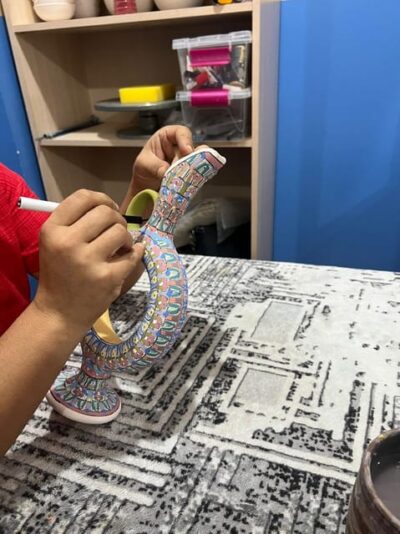
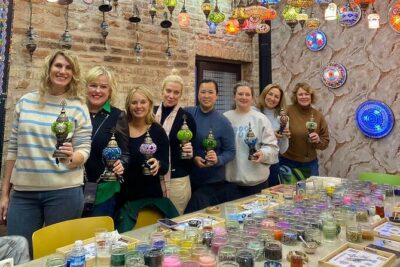
Turkish Mosaic Lamp Workshop in Göreme – All Included
Read our review →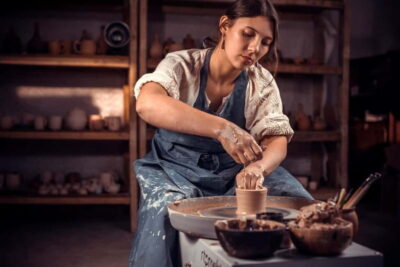
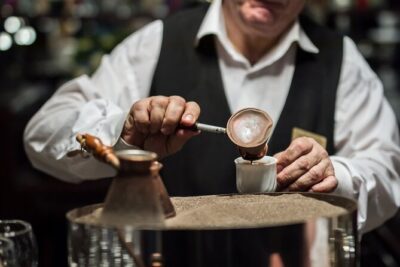
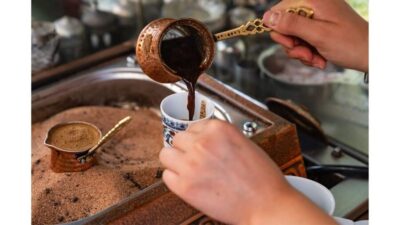
Sand-Brewed Turkish Coffee Workshop in Cappadocia
Read our review →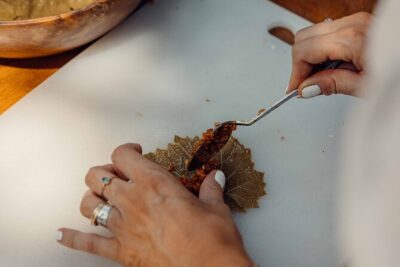
Browse the lists this tour appears in